


How FPGAs Empower Modern IoT Solutions in 2026
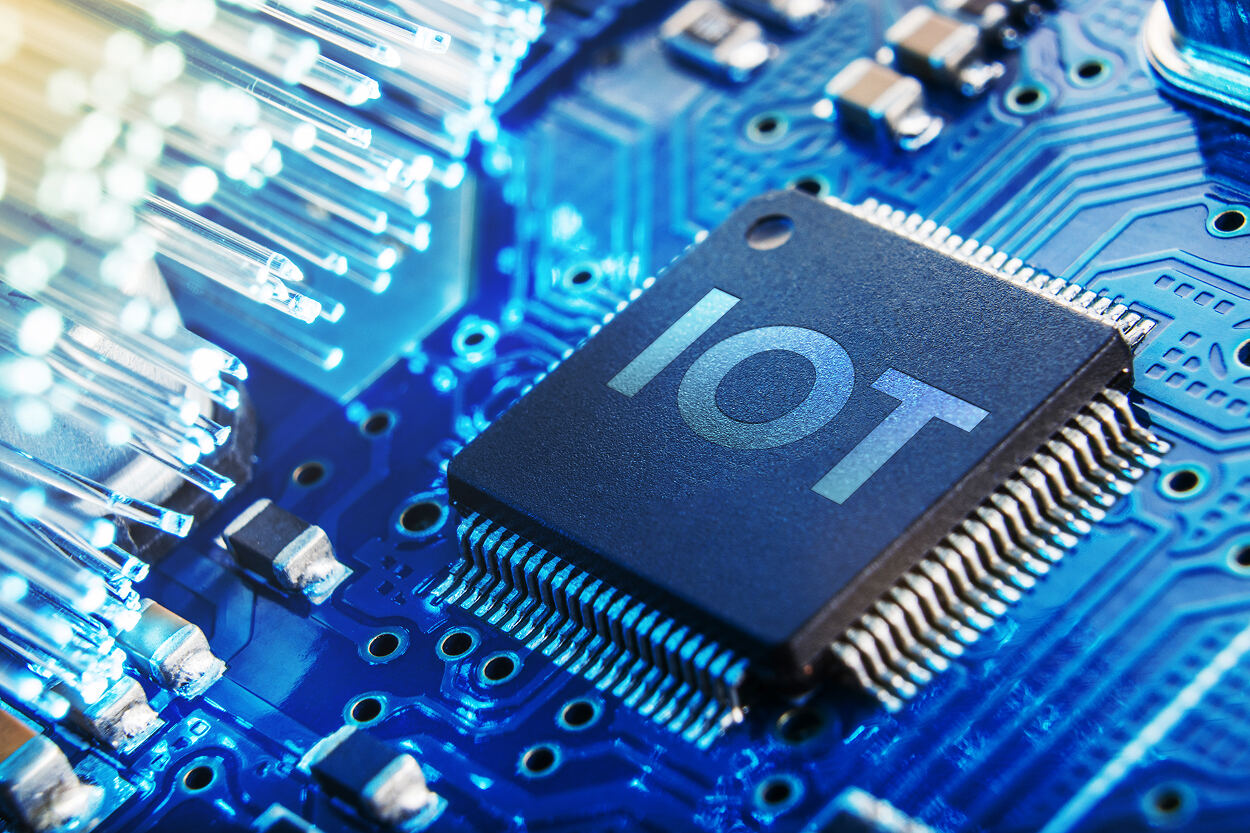
Reconfigurable logic as a foundation for adaptive IoT hardware
IoT engineering increasingly requires platforms capable of balancing deterministic responsiveness, evolving interface requirements, and edge-level intelligence. Traditional processor-centric architectures struggle when workloads demand strict timing control or high-throughput data pipelines. Field Programmable Gate Arrays address these constraints by enabling hardware behavior customization after deployment.
In 2026, FPGAs are positioned not simply as prototyping platforms but as production-grade components within distributed intelligent systems. Their role spans edge inference acceleration, real-time control, and protocol adaptation across heterogeneous sensor environments. This adaptability aligns with IoT lifecycle expectations where deployed hardware must accommodate evolving algorithms, standards, and security policies.
By allowing engineers to architect datapaths directly, programmable logic shifts optimization from software scheduling toward hardware orchestration. This capability enables efficient handling of streaming data workloads and latency-sensitive processing tasks across industrial, automotive, and medical domains.
Why programmable logic continues to gain traction
Deterministic parallel execution
Hardware-level concurrency enables predictable response times independent of software scheduling variability. This deterministic behavior supports applications requiring microsecond-level timing guarantees or synchronized control loops.
Runtime adaptability
Remote reconfiguration capabilities allow deployed devices to evolve functionally without hardware replacement. Updating logic fabric extends product relevance and supports iterative deployment models common in connected ecosystems.
Interface extensibility
Programmable I/O flexibility enables integration with diverse communication standards and sensor types. This adaptability simplifies system evolution as interface requirements change.
Acceleration of compute-intensive workloads
Specialized datapath construction supports efficient execution of cryptographic operations, signal processing pipelines, and machine learning inference. Hardware acceleration improves throughput while preserving processor availability for orchestration tasks.
Advantages over processor-centric embedded architectures
Unlike microcontrollers or fixed-function silicon, programmable logic eliminates sequential instruction bottlenecks for streaming data scenarios. Custom datapaths reduce latency accumulation and improve throughput consistency. Compared to ASIC development, FPGA deployment preserves flexibility without committing to long fabrication cycles or rigid architecture decisions.
This balance between adaptability and performance makes FPGAs particularly relevant for IoT deployments with extended lifecycle horizons or evolving operational requirements.
Application domains demonstrating impact
Industrial automation ecosystems
Edge controllers utilize programmable logic to process sensor data streams and execute closed-loop control functions with high reliability. Deterministic processing ensures stability across dynamic production conditions.
Autonomous systems and robotics
Navigation and perception pipelines benefit from parallel processing of multi-modal data inputs. Programmable logic supports fusion, filtering, and control coordination without excessive latency accumulation.
Energy and infrastructure monitoring
Smart grid endpoints and metering devices employ FPGA datapaths for real-time measurement, protocol mediation, and secure communication enforcement. Adaptability supports compliance with evolving infrastructure standards.
Biomedical signal processing
Precision filtering and low-latency response enable accurate interpretation of physiological signals in connected healthcare platforms. Hardware adaptability allows tuning to evolving sensing methodologies.
Edge intelligence deployment
Programmable logic supports acceleration of neural inference and pattern recognition workloads near data sources. Reduced dependency on remote compute infrastructure improves responsiveness and data privacy.
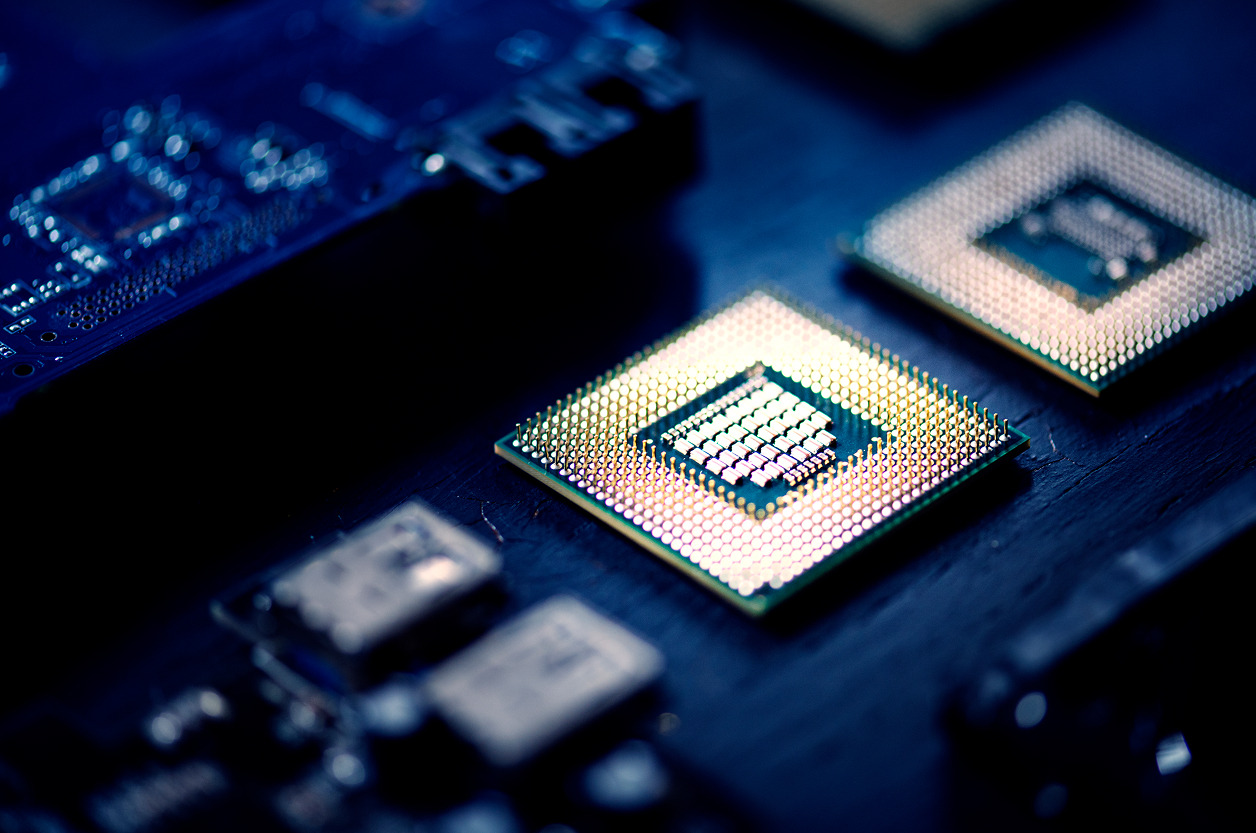
Architectural considerations in FPGA-enabled IoT design
Device topology selection
Engineers must evaluate suitability of standalone programmable logic versus heterogeneous architectures combining processing cores and fabric. Mixed architectures enable efficient partitioning of control and acceleration workloads.
Toolchain and ecosystem alignment
Development environment maturity influences productivity and maintainability. Vendor ecosystem compatibility with target workloads and lifecycle strategy affects long-term viability.
Physical integration factors
Form factor, environmental tolerance, and power envelope must align with deployment context. Compact programmable logic modules expand applicability within constrained IoT endpoints.
Security architecture integration
Configuration protection and identity verification mechanisms ensure trustworthiness of deployed logic. Isolation strategies prevent exposure of sensitive functional components.
Certification and compliance
Programmable hardware deployments must satisfy regulatory frameworks applicable to their domain. Engineering validation ensures system acceptance in safety-critical or regulated sectors.
While architectural alignment defines long-term scalability and lifecycle adaptability, successful FPGA adoption ultimately depends on implementation discipline — including toolchain selection, SoC partitioning, security hardening, and workload optimization. For a hands-on breakdown of benefits, real-world deployments, and design trade-offs, explore our practical guide to FPGA integration in modern IoT systems.
Emerging directions shaping FPGA adoption
Adaptive edge compute orchestration
Dynamic workload allocation between processors and programmable fabric improves efficiency across heterogeneous execution environments.
Integration with AI toolchains
Improved model compilation workflows enable deployment of machine learning inference engines directly into hardware datapaths, expanding intelligent endpoint capability.
Lifecycle-aware reconfiguration strategies
Continuous adaptation models allow deployed systems to update functional logic in response to operational feedback or evolving standards.
Strategic implications for IoT product development
Programmable logic integration supports differentiation through performance, adaptability, and longevity advantages. Engineering organizations leveraging these capabilities can deliver responsive platforms aligned with dynamic market and operational expectations.
Balancing flexibility with system complexity remains essential. Effective integration requires coordinated hardware-software co-design practices ensuring deterministic performance and maintainability.
AI Overview: FPGA Integration in IoT
Programmable logic enables adaptive hardware acceleration and deterministic processing supporting evolving intelligent endpoint capabilities.
Key Applications: industrial control, edge analytics, infrastructure monitoring, robotics
Benefits: adaptability, performance efficiency, deterministic timing
Challenges: design complexity, integration planning, validation effort
Outlook: Programmable hardware will continue expanding as intelligent edge systems demand adaptable acceleration and lifecycle resilience.
Related Terms: programmable datapaths, edge hardware acceleration, deterministic embedded computing, heterogeneous SoC design, adaptive logic systems
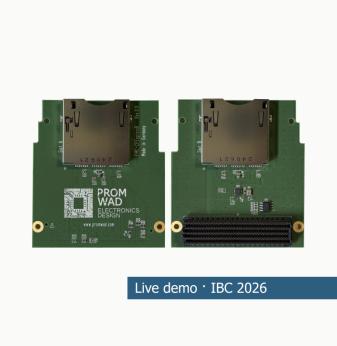
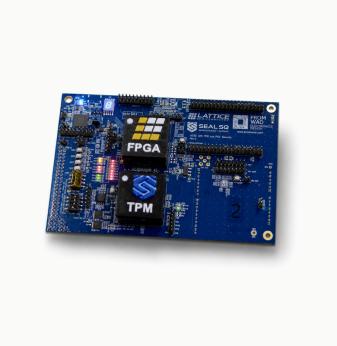
Our Case Studies



FAQ
What advantages do FPGAs provide over microcontrollers in IoT systems?
How do programmable logic devices support edge intelligence?
When should heterogeneous programmable architectures be used?
What security considerations apply to FPGA deployments?
Why are FPGAs suitable for long-lifecycle IoT deployments?