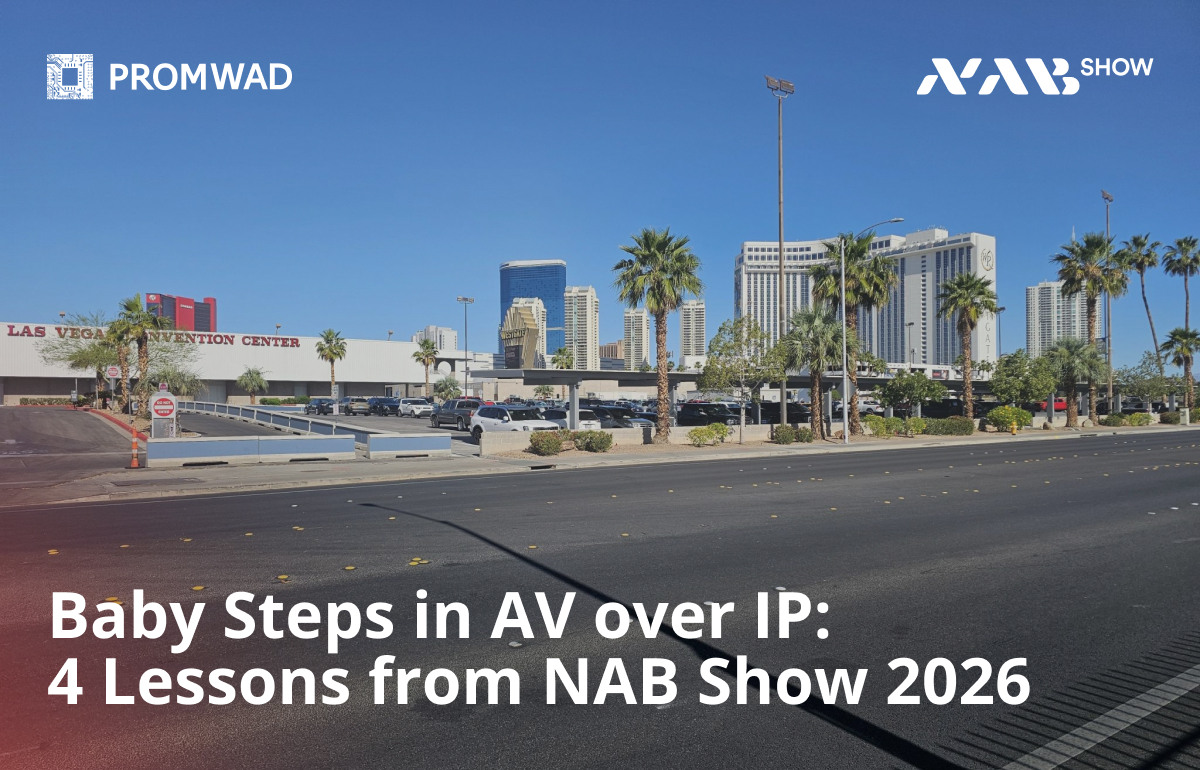
Baby Steps in AV over IP: 4 Lessons from NAB Show 2026

Founder & Interim CEO at Promwad
Every booth at NAB Show 2026 sold the future. AI-driven workflows. Cloud-native everything. Then I'd walk off the show floor, sit down with an actual broadcaster or product owner, and the conversation always pulled back to the same place: SDI is still running, ST 2110 is being phased in piece by piece, and most workflows are stitched together from gear that spans three product generations.
I just spent four days in Las Vegas at NAB Show. I came back with dozens of new contacts, a few promising opportunities, and one clear takeaway for anyone leading a video product company in 2026. The money sits in the gap between where broadcasters want to be and where they actually are. That gap is widening, and that's where engineering execution wins.
The conversation that framed the week
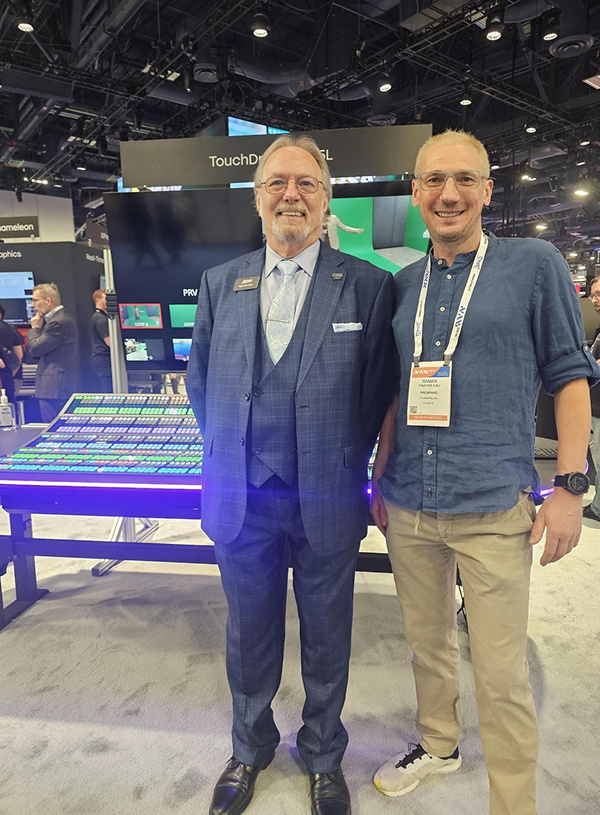
With Nigel Spratling from Ross Video. The company has been building live production gear, switchers, robotics, and graphics systems, since the 1970s
On my day two at NAB, I sat down with Nigel Spratling from Ross Video. He's been in broadcast engineering for over 50 years. We started talking about a video production setup for a large U.S. church, which sounds like a niche use case until you actually map it out. Multiple camera angles, live switching, IP-based distribution, mobile and web streaming, redundancy, low latency, and a non-technical operator at the desk.
Nigel said something I keep coming back to: in this industry, you move forward in baby steps, and you keep moving. That's it. Once I had that frame in my head, I started seeing it everywhere on the show floor.
Lesson 1: Broadcast lives in hybrid pipelines
Everyone wants to talk about the all-IP future. The reality is that SDI hasn't gone anywhere, ST 2110 keeps growing without replacing, and most broadcasters are running mixed workflows that will stay mixed for years.
One broadcaster told me they're moving to ST 2110, but only swapping out the switching equipment so far. Everything else stays. That's how transformation actually works in this industry. SMPTE and EBU have been saying this for years. The industry integrates legacy.
For video product companies, the implication is direct. If your roadmap assumes a clean break to IP, you're designing for a market that doesn't exist. The real opportunity is in products that live in hybrid pipelines: interoperable with SDI, fluent in ST 2110, and built to survive the long migration in between. That's the brief I keep getting from clients, and it's where most of our video-over-IP development work is concentrated.
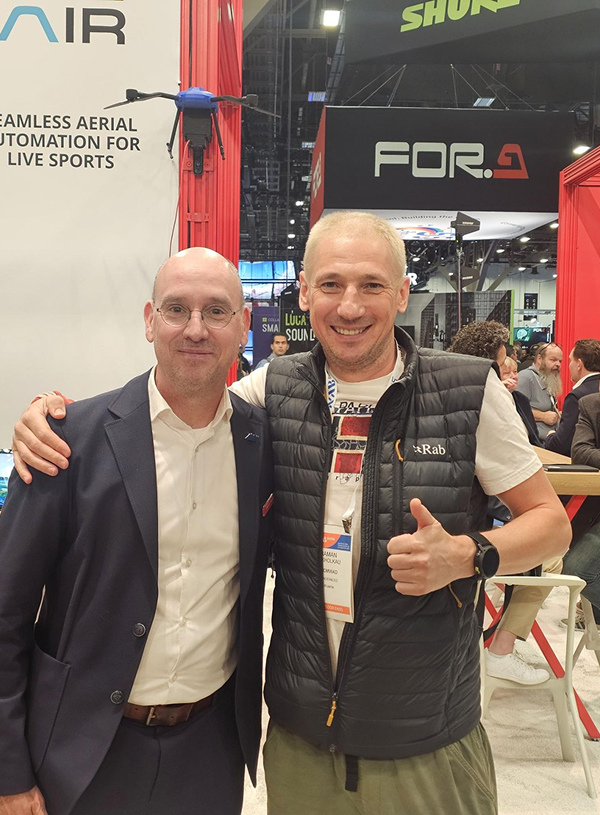
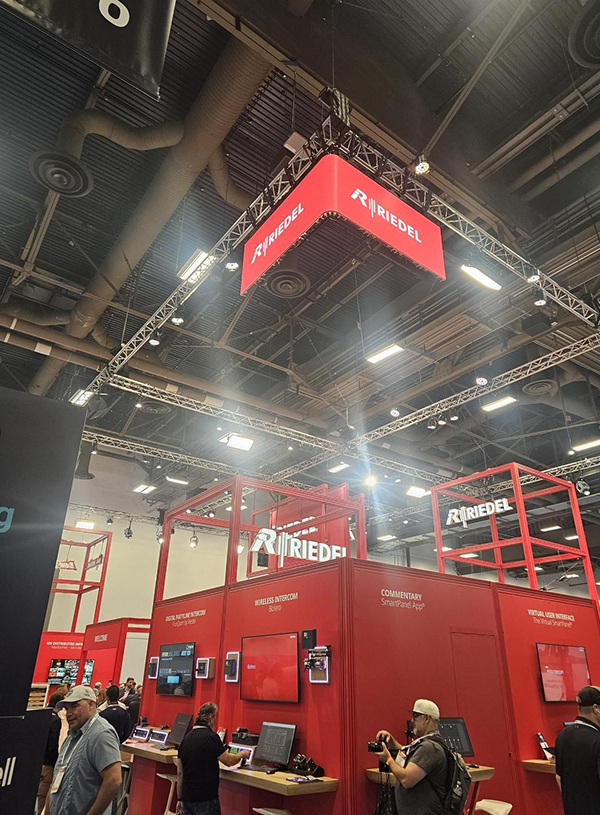
With Thomas Riedel, founder and Group CEO of Riedel Communications. He announced the acquisition of ARRI on April 14, 2026, the week before NAB. One of the biggest deals in broadcast this year
Lesson 2: Only delivery counts
This was the harder lesson, and the one with the most direct business consequence.
Across four days of conversations, I heard the same complaint from different angles. Product companies want IP ownership. Platforms think in ecosystems. Integrators want shippable solutions. R&D teams care about speed. They don't agree on much, but they agree on this: if timelines slip, trust goes with them. Once trust is gone, even a strong engineering team starts to look weak.
In B2B hardware-software integration, that becomes a business problem within weeks.
If you're a CTO or product owner reading this: your team is almost certainly strong technically. The harder question is whether your delivery cadence is something a customer can plan around.
Lesson 3: Adoption beats novelty
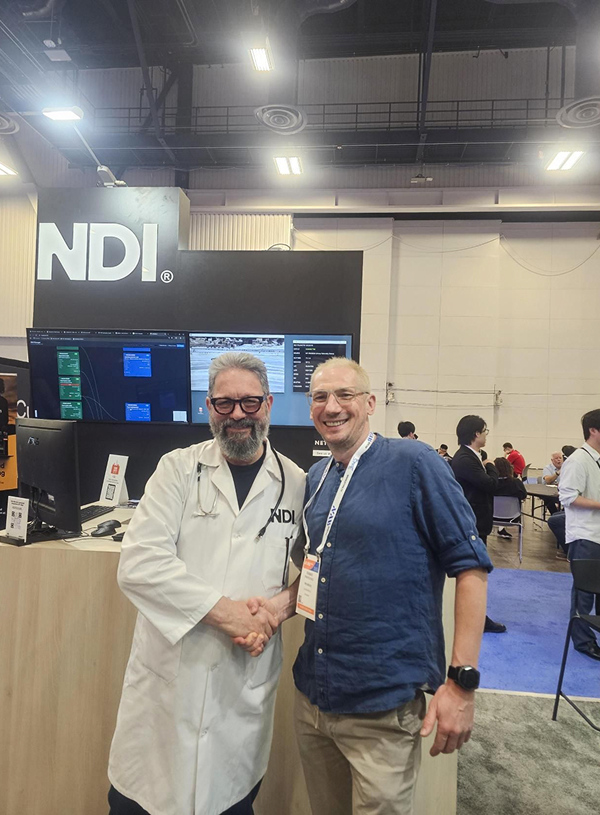
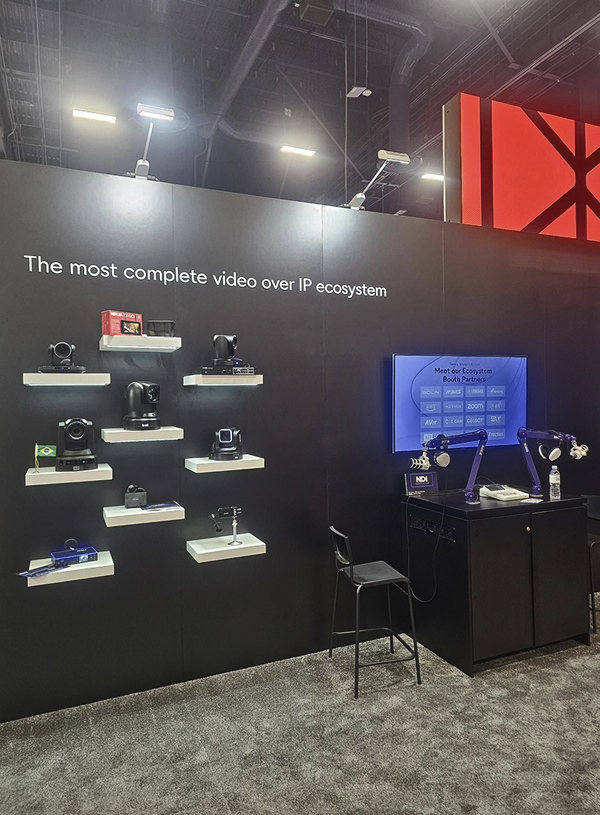
With Roberto Musso, Tech Director at NDI (aka "Dr. NDI"), at the NDI booth
A conversation with the NDI team reset how I think about value in this market.
The most successful technologies at NAB 2026 were the most adopted. Value sits in how a product plugs into everything else. Cameras, switchers, encoders, streaming platforms, cloud workflows, and control surfaces. If your product can't talk to the rest of the stack on day one, you have a demo.
This changes how we approach video-over-IP development for OEM clients, including NDI integration. Interoperability is the entry ticket now. Every embedded video system we design starts with the question: what ecosystem does this need to live in, and what does integration actually look like for the end customer? That conversation happens before we touch a schematic.
Lesson 4: The real opportunities are where things get stuck
The pattern across my best meetings at NAB: they started with "we have a product that needs to be finished," or "we're behind on a launch and missing capacity," or "our internal team is stretched and we need to ship next quarter."
That's where Promwad fits. As a plug-in engineering partner, we serve SONY, Vestel, and other top-10 brands in broadcasting and media across 25+ countries. Most of those engagements started with a product that was 70% done and needed a partner who could close the last 30% on schedule.
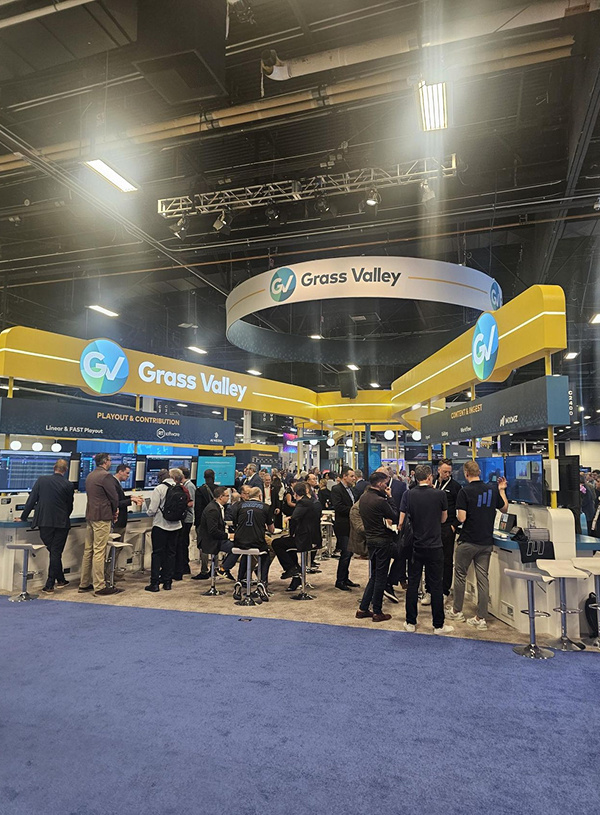
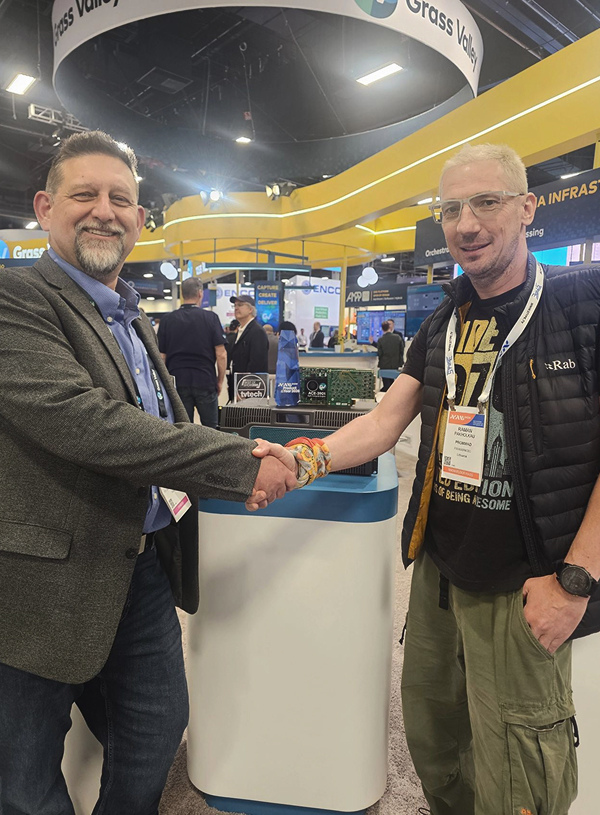
At the Grass Valley booth. With over 65 years shaping broadcast production: from iconic switchers and live cameras to today’s AMPP cloud platform
Closing
NAB Show ended, as it always does, on a quieter note. The last day is when the real conversations happen, the ones that come from honest assessments of where the industry actually is.
What I took home is simpler than I expected. The video industry in 2026 is looking for partners who can help it move forward in baby steps that compound: hybrid pipelines, predictable delivery, ecosystem fit, and execution where things are stuck.
If you're working on a video-over-IP product roadmap and there's a piece of it that's not moving as fast as it should, I'd genuinely like to hear about it.
Want to keep this conversation going?
- For a direct chat with me: Let's connect on LinkedIn
- To see our case studies for Broadcasting and Media
- To book a 30-minute call with our R&D team