SPS 2026 Takeaways: CRA, Functional Safety, Smart Drives and AI
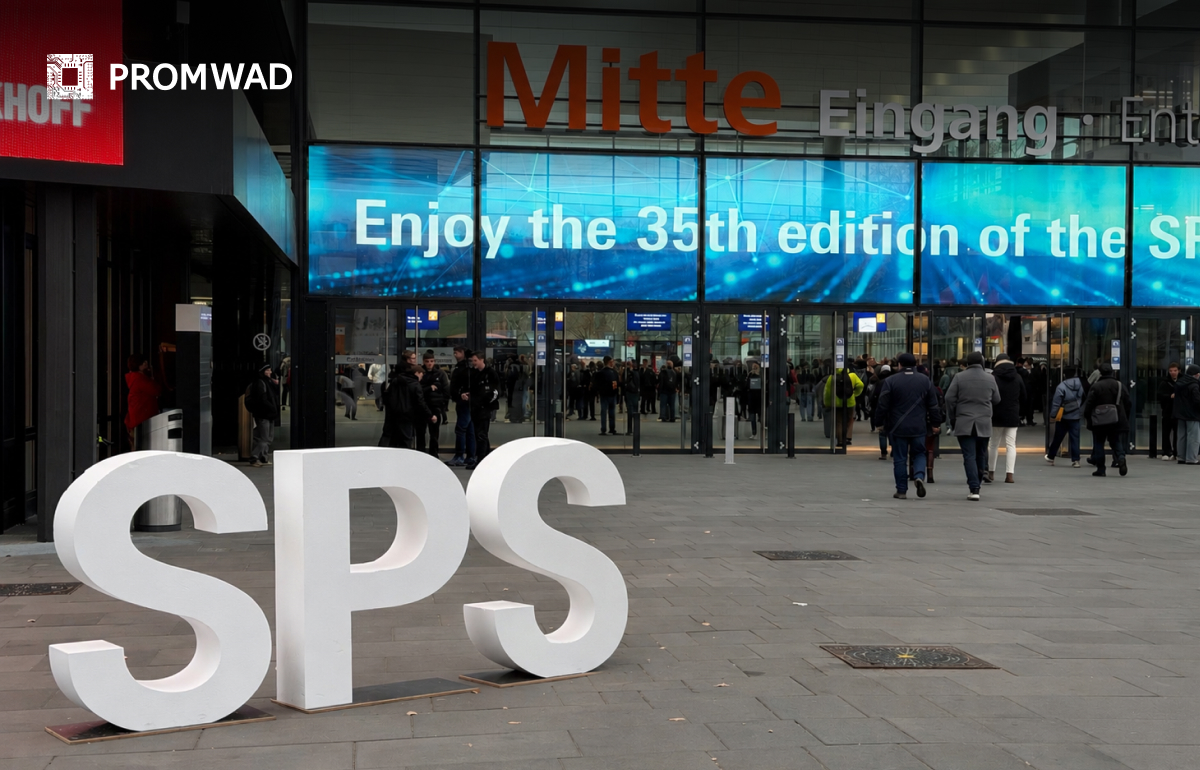
Our team visited SPS 2026, the Smart Production Solutions fair held in Nuremberg on November 24–26, and came back with 4 observations, all of them close to the work we do for industrial OEMs.
CRA readiness is moving into products
A lot of exhibitors already label their products "CRA ready," which makes sense given the timeline: the Cyber Resilience Act's reporting obligations have applied since September 2026, and the rest of the regulation takes effect on December 11, 2027.
Some vendors are still catching up, though. One exhibitor told us they need about 2 more months to finish testing, so we'd treat a "CRA ready" label as a statement of intent and still ask the supplier for test results and documentation.
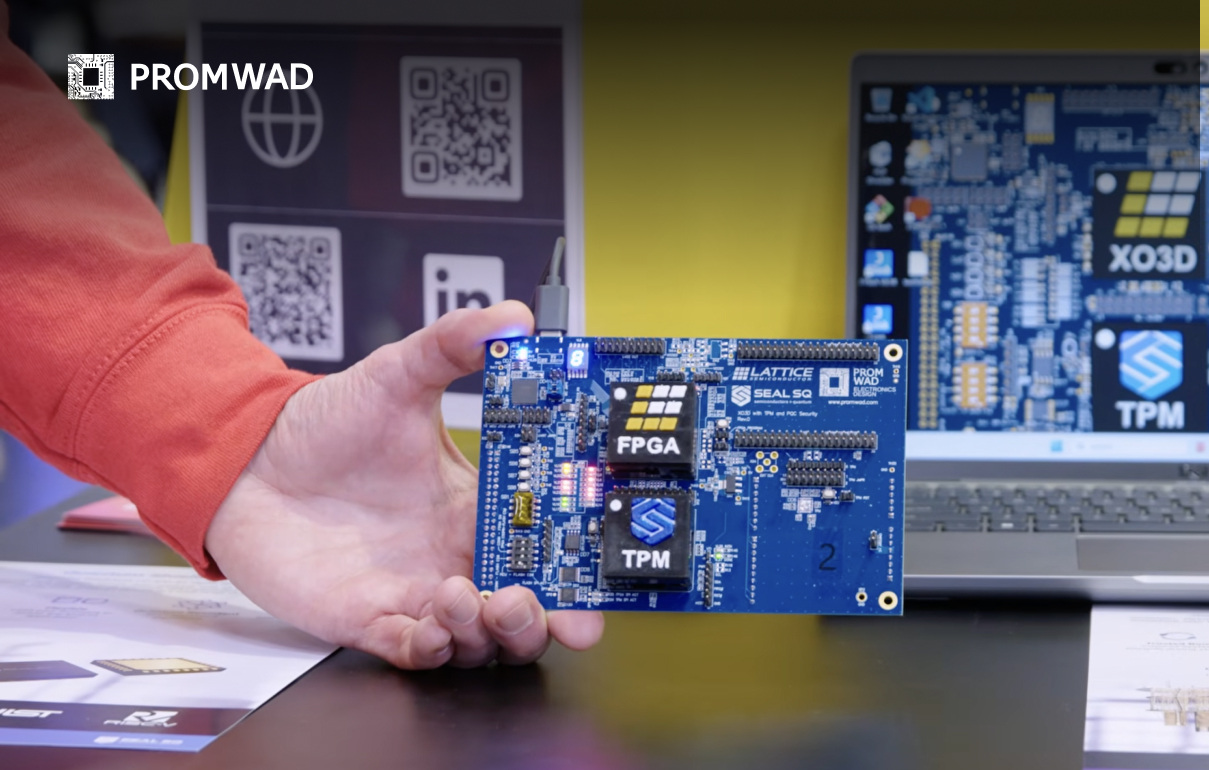
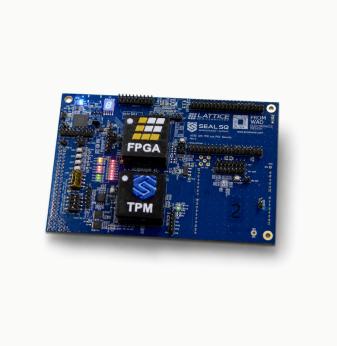
For an OEM, compliance has to be built into the device itself, through secure boot, signed updates, device identity and a clear process for handling vulnerabilities. That's what our embedded security team works on every day. At Embedded World 2026, we showed one hardware-level approach: an FPGA security platform we co-developed with Lattice Semiconductor and SEALSQ. It refuses unsigned firmware and checks FPGA bitstreams against post-quantum signatures before they run.
Safety controllers now come with a whole toolchain
Almost every big automation vendor had its own safety controller on the stand, along with software and a library of certified function blocks for programming it. Machine builders put their safety logic together from those blocks and reuse the vendor's certification evidence, so the parts that are hardest to certify only have to be done once.
It's a sensible model, though the SIL of the finished machine still depends on the whole chain: the architecture, the failure rates of every component, response times and the application logic. A SIL 3 controller is one link in that chain, and the safety functions still need to be validated on the actual machine.
On the device side of that chain, we develop safety controllers and safety software to IEC 61508 for applications up to SIL 3.
Drives are taking on more control logic
Several drive manufacturers showed how more of the control logic is moving out of the central PLC and into the drive. Drives have run some local logic for years, and vendors now put noticeably more there. That gives machine builders more modular machines, less fieldbus traffic, faster local reactions and a lighter load on the PLC.
When vendors talked about AI in servo control, they mostly meant tuning: setting controller gains, identifying motor and load parameters, adjusting to load changes and damping vibration. Many drives handle these tasks with classical control theory and no ML at all, so when a drive is marketed as "AI-powered," it's fair to ask what the model actually does.
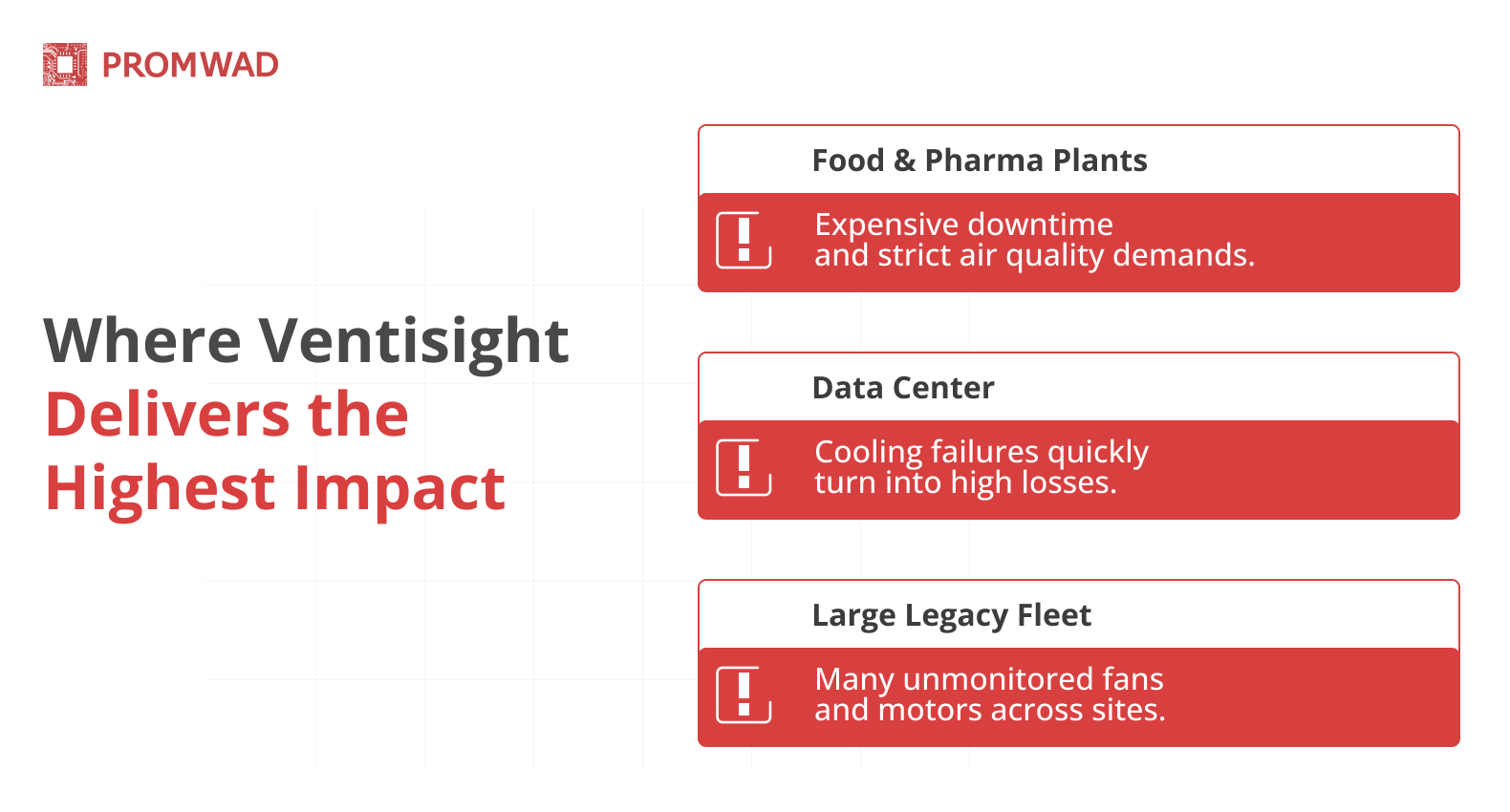
ML running close to the motor has uses beyond tuning, too. Our own Ventisight module runs ML directly on an Infineon PSoC to catch early signs of motor and fan wear.
Where AI meets safety
Interest in combining AI with functional safety keeps growing, especially in robotics, yet we saw very few products that bring the two together in one architecture.
We think the workable setup is a split, where the AI part proposes actions and a deterministic safety layer has the final say on the safe state. The hard part is proving that such a system is safe, and we expect a lot of robotics engineering effort to go into exactly that over the next few years.
If you're building a drive or a robot and working through CRA or safety requirements, our industrial automation team would be glad to talk it through with you.
Our Case Studies