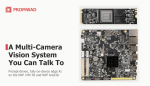
On-Device Conversational Edge AI for Multi-Camera Vision
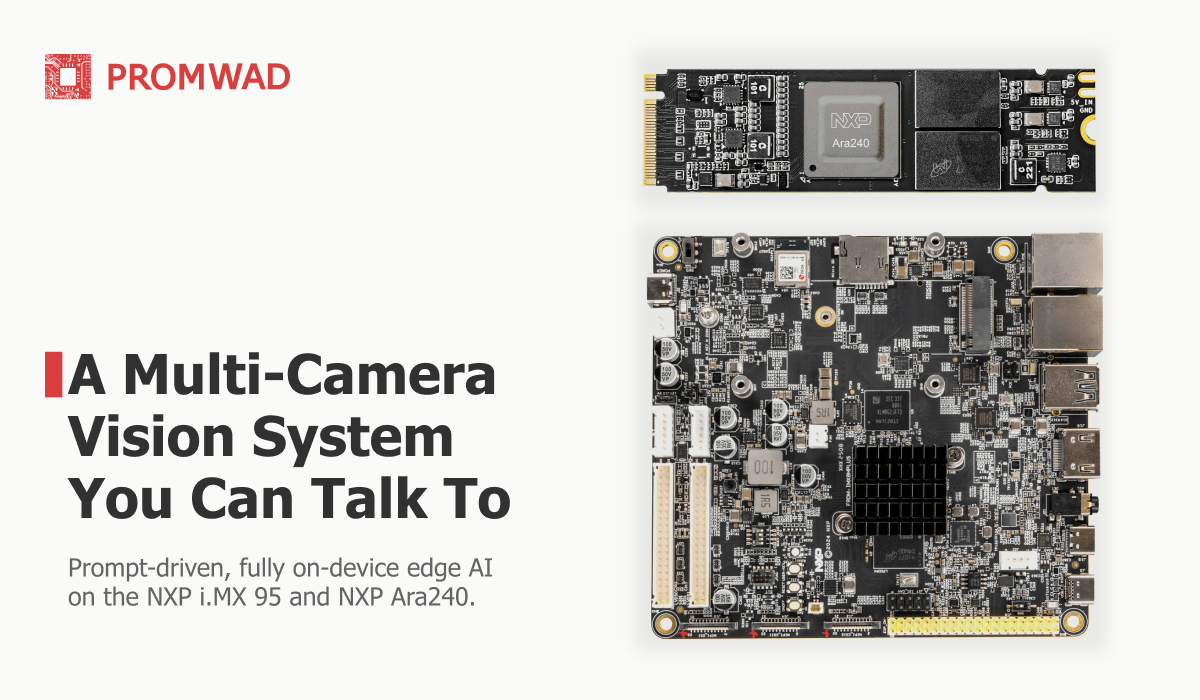
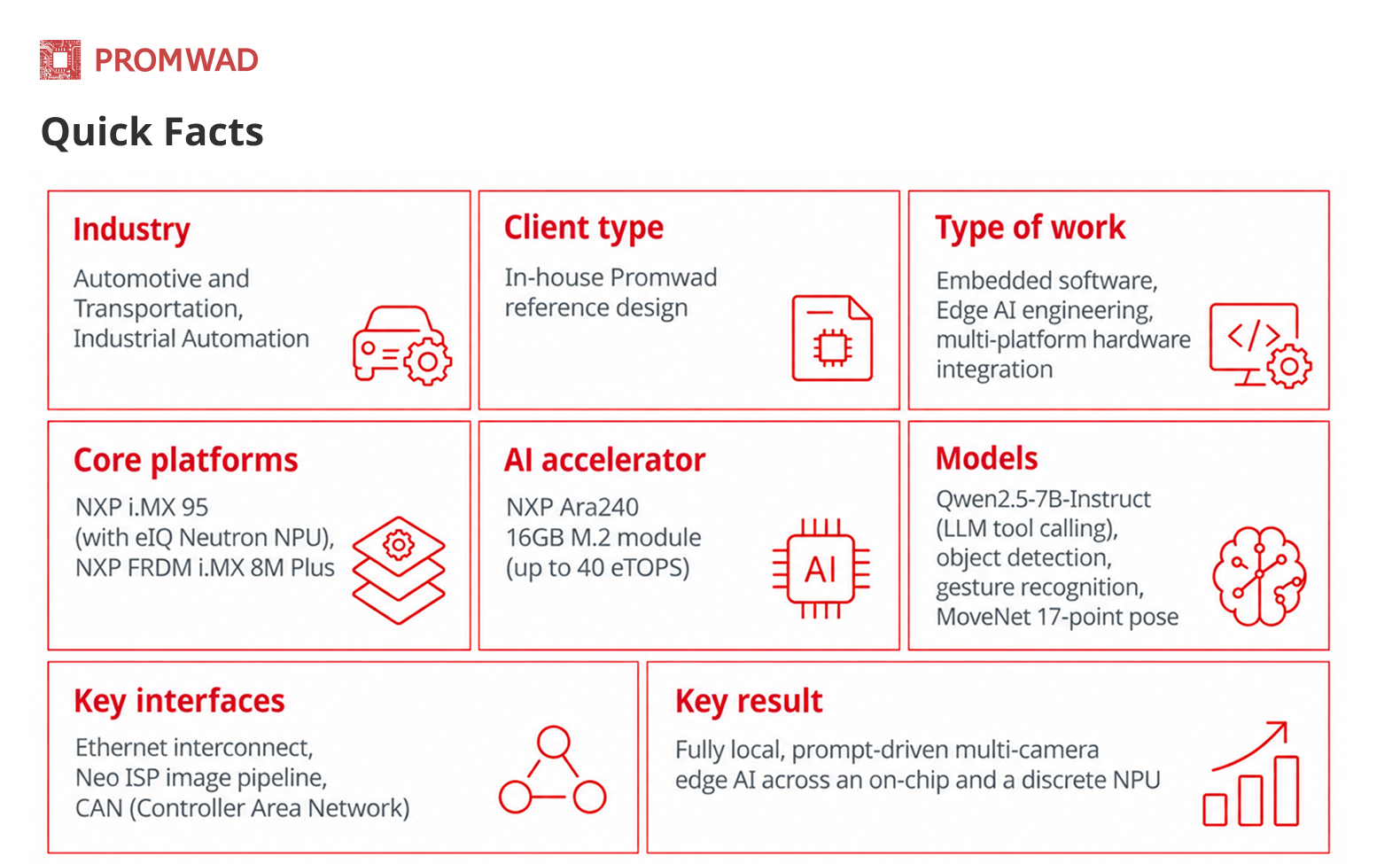
Project in a Nutshell: This is an in-house edge AI reference design built by Promwad to show what a self-contained conversational layer for embedded vision products can look like. It pairs two NXP platforms, the i.MX 95 applications processor and the FRDM i.MX 8M Plus board, with a NXP Ara240 discrete AI accelerator, and runs multi-camera video analytics alongside a local large language model (LLM) agent that takes natural-language commands. Everything runs on the device, with no cloud and no external dependency. Promwad engineers have shown the demo at NXP Tech Days Istanbul (2025) and Stuttgart (2026) and at VISION 2026, the machine vision trade show in Stuttgart.
Challenge
Edge AI is becoming a differentiation layer for vision-enabled products. Automotive brands have experimented with gesture control for years, and newer electric-vehicle makers have pushed it much further, into remote parking and rich in-cabin interaction. The engineering is the hard part.
Teams building this kind of product run into the same three problems:
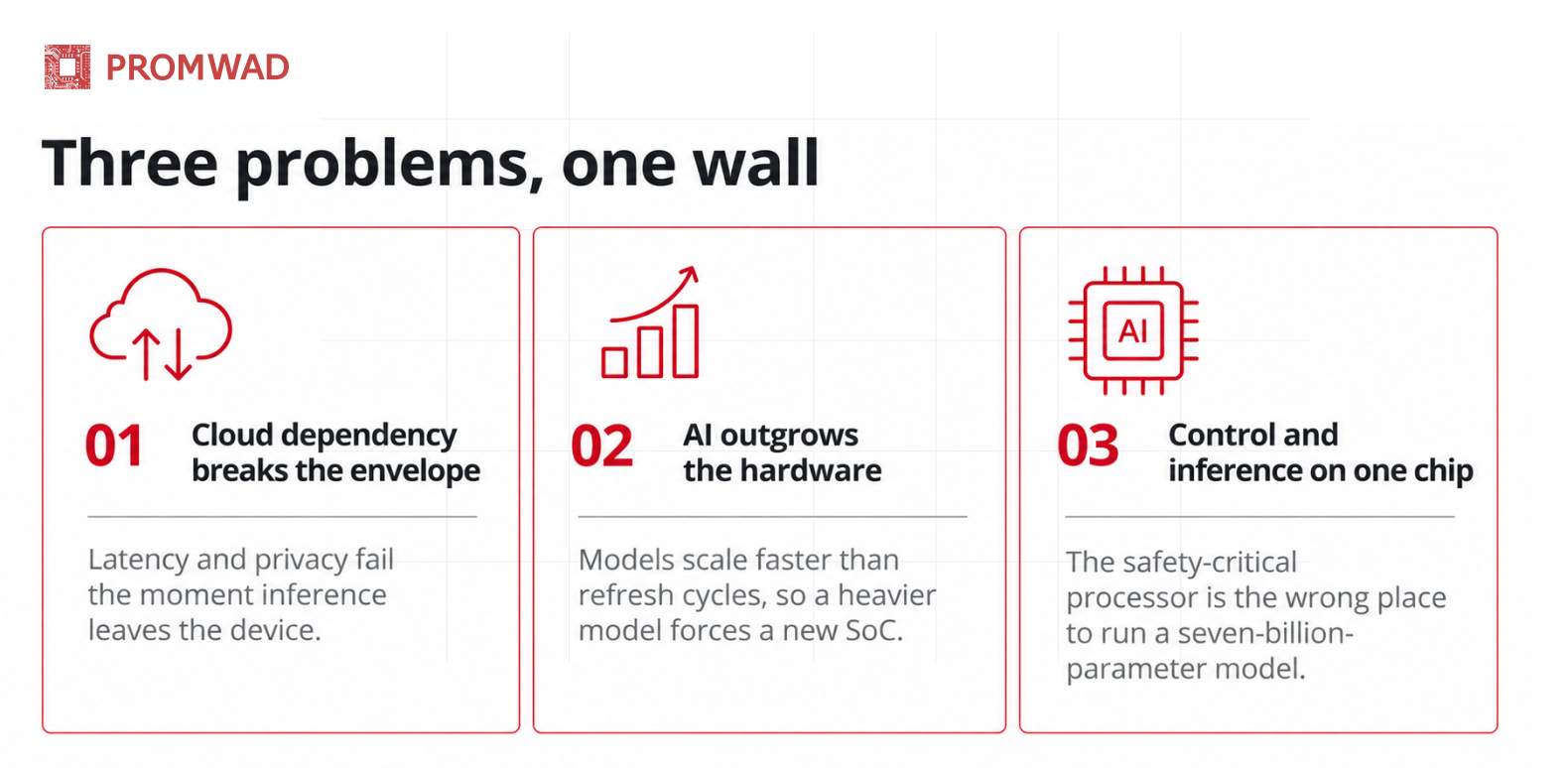
Any team shipping multi-camera products hits the same wall: how to add a natural-language, vision-aware interface without giving up latency, privacy, or the existing platform.
Solution
The three platforms work as one conversational interface.
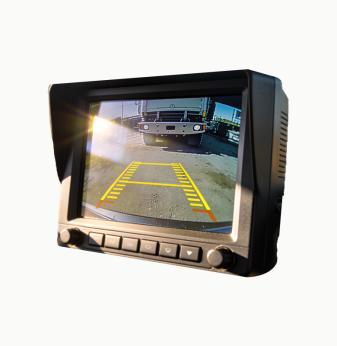
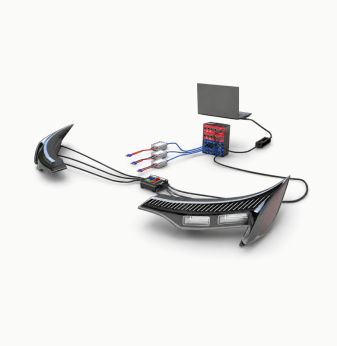
A single natural-language command reconfigures the live system: "show only camera 2," pull everyone who passed a camera in the last thirty minutes, bind a gesture, or zoom a feed. To show how deep that control reaches, the agent can even drive the image pipeline: through the Neo ISP, the i.MX 95 image signal processor, it can make a feed lighter or darker, raise contrast, or switch it to black and white. Recognized events are mirrored on a CAN (Controller Area Network) LED panel, the way an automotive ECU (electronic control unit) would consume them.
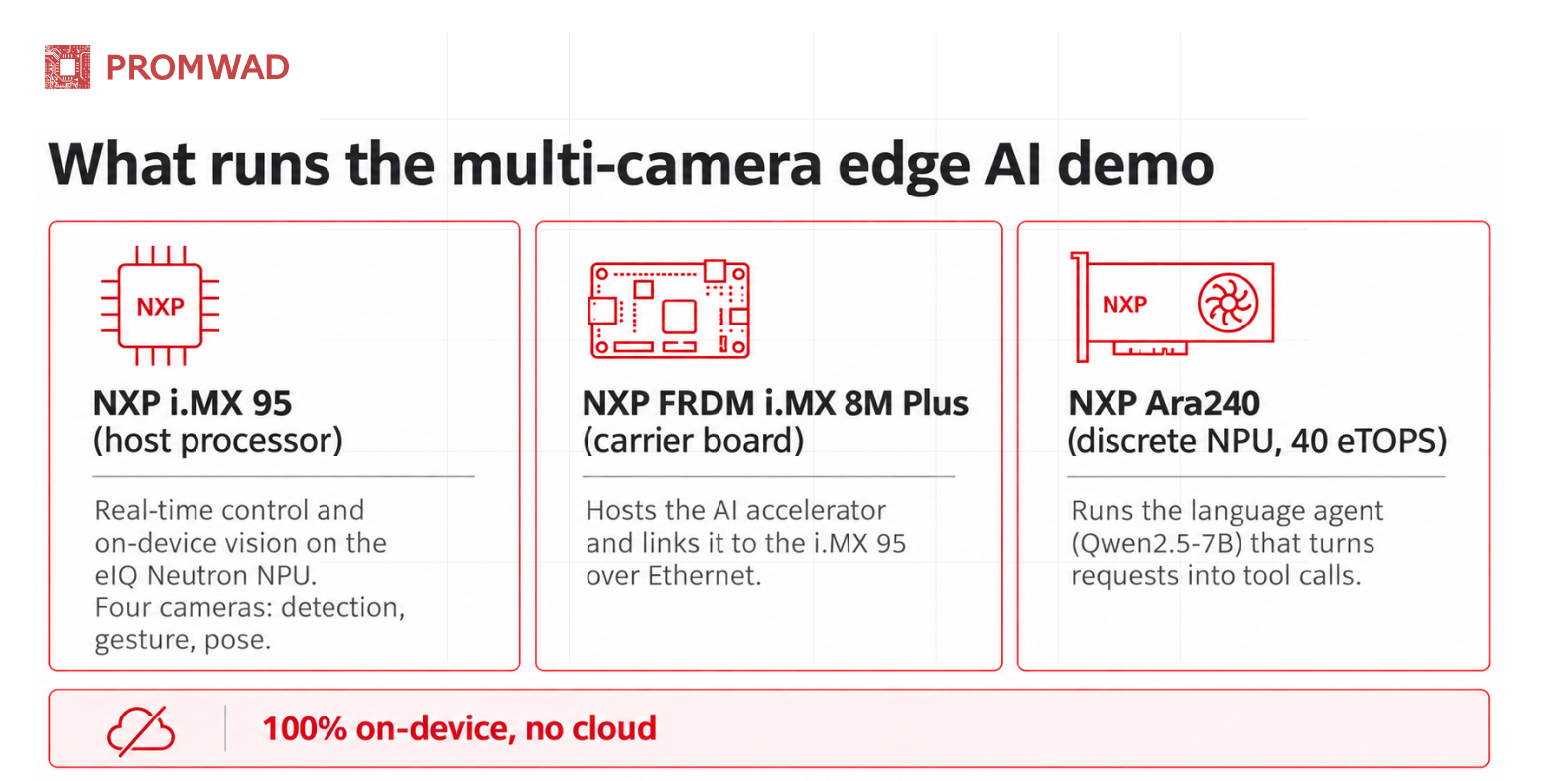
Because the Ara240 is an M.2 M-Key module, a team can scale the AI workload without changing the base SoC, and the whole pipeline stays on the device.
Business Value and Where It Applies
For an OEM or Tier-1, this reference design shows a way to add an edge-AI interface as a new layer on top of the central display and voice assistant, without the usual tradeoffs.
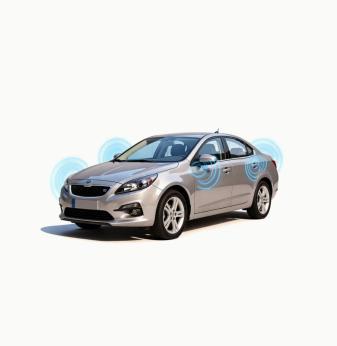
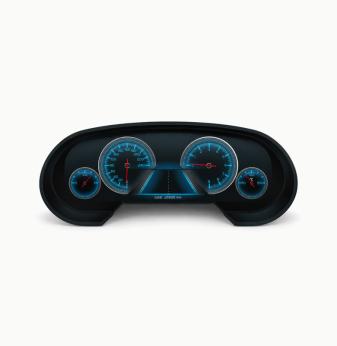
- Automotive and transportation. Gesture and natural-language control of multi-camera systems, with recognized events signaled to an ECU over CAN. Relevant to digital cockpit and in-vehicle infotainment (IVI) interaction, driver and cabin monitoring, and surround view.
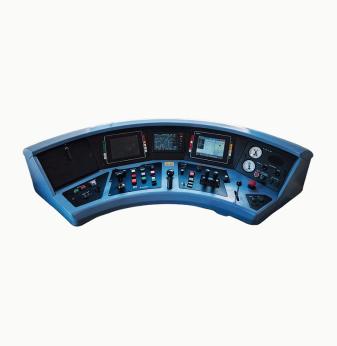
- Industrial automation. Plain-language operator control of multi-camera setups where cloud connectivity is not guaranteed. Relevant to inspection and monitoring stations running multiple camera feeds.
The engineering economics are the takeaway. Multi-camera streaming, object detection, gesture recognition, prompt-driven analytics, and CAN integration all fit on two NXP development boards with a single M.2 accelerator, and run entirely on-device.
More of What We Do for Edge AI
-
Edge AI Engineering: explore our full range of edge AI services, from on-device vision and model integration to production-ready embedded systems.
-
AI Camera Platform for Vehicle Access: check out this case study of gesture entry and face recognition running on a single automotive-grade chip, ready for OEM adaptation.
FAQ
Can the language agent control real hardware, or just the screen?
Hardware. In the demo it switches camera views, binds gestures, zooms, drives a CAN LED panel, and adjusts the image pipeline through the Neo ISP, all from typed commands.
Is Promwad an authorised NXP partner?
Yes. Promwad is an NXP Early Access Partner, part of the NXP Partner Program since 2021, and has built on NXP silicon since 2008, with early access to development kits, training, and technical support.
Which NXP platforms does Promwad build edge AI on?
The i.MX applications processor families, including the i.MX 95 used here, along with Layerscape and the S32 and S32K automotive MCUs, using the eIQ toolchain and the on-chip Neutron NPU.
What does Promwad's edge AI engineering cover?
Selecting and porting neural networks to NPU hardware, running multiple models in parallel, integrating AI SoCs with peripherals and BSP, custom board design, testing, and consulting, across automotive, industrial and robotics, and broadcasting.
Can I add more AI compute without redesigning my base SoC?
Yes. This project pairs an NXP application processor with a discrete NPU, the NXP Ara240, over an M.2 slot, so the AI workload can grow without changing the base platform.